
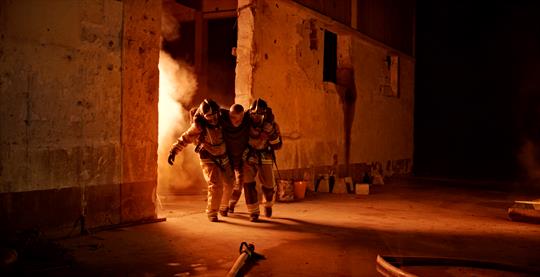
Television dramas often show characters surviving devastating fires and returning to work surprisingly quickly. While those storylines create compelling entertainment, the reality of catastrophic burn injuries is far different. For oilfield workers throughout New Mexico and West Texas, severe burns can lead to years of medical treatment, emotional trauma, and financial hardship.
Shows like “Fire Country” help highlight the dangers of working around fire, explosions, and hazardous environments. However, they rarely show the long road to recovery that many burn survivors experience.
What “Fire Country” Gets Right About Burn Injuries
One thing “Fire Country” portrays well is how quickly a routine workday can turn into a life-changing event. Whether it is a wildfire flare-up, an explosion, or a sudden ignition, these incidents mirror many of the dangers oilfield workers face every day.
In the Permian Basin, a flash fire, equipment malfunction, or wellsite explosion can leave workers with serious burns in a matter of seconds. These incidents often result in extensive hospital stays, multiple surgeries, and long-term rehabilitation.
The show also touches on the emotional impact of surviving a fire. Many burn victims experience anxiety, depression, and post-traumatic stress disorder after an accident. The physical wounds may heal, but the emotional effects can remain for years.
The Lasting Effects of Severe Burns
Burn injuries are often far more than skin deep. Third-degree and fourth-degree burns can destroy layers of skin, muscle, nerves, and other tissues. Recovery frequently requires skin grafts, reconstructive surgeries, and ongoing physical therapy.
For many workers, daily activities become difficult. Tasks that once seemed simple, such as lifting equipment, climbing stairs, or driving a truck, may suddenly require significant effort or become impossible.
Scarring and disfigurement can also affect confidence and quality of life. Some survivors struggle with social interactions or avoid situations where their injuries are visible. Others deal with chronic pain, restricted movement, or permanent disabilities that prevent them from returning to their previous jobs.
Common Causes of Burn Injuries in the Oilfield
Oil and gas operations involve highly flammable materials and dangerous working conditions. Even with safety regulations in place, serious accidents continue to occur.
Some of the most common causes of catastrophic burn injuries include:
- Oilfield blowouts and well fires
- Pipeline explosions
- Refinery and processing plant incidents
- Truck crashes involving fuel fires
- Electrical accidents
- Chemical exposure and burns
When these incidents occur, multiple parties may be responsible. Employers, contractors, equipment manufacturers, property owners, and other third parties may all play a role in creating unsafe conditions.
Workers’ Compensation May Not Be the Only Option
Many injured workers assume workers’ compensation is their only source of recovery after an accident. While workers’ compensation can provide medical benefits and partial wage replacement, it often does not fully address the impact of a catastrophic burn injury.
In some cases, injured workers may have grounds for a third-party personal injury claim. These claims can seek compensation for damages that workers’ compensation does not cover, including pain and suffering, emotional distress, permanent disfigurement, and loss of enjoyment of life.
Determining whether additional claims are available requires a careful investigation into the cause of the accident and who may be responsible.
Why Early Action Matters
After a serious burn injury, evidence can disappear quickly. Accident scenes change, equipment is repaired or replaced, and witnesses’ memories fade over time. Insurance companies and corporate representatives often begin investigating immediately after an incident occurs.
Seeking legal guidance early can help preserve critical evidence and protect an injured worker’s rights while they focus on recovery.
The Reality Beyond the Screen
“Fire Country” captures the danger and intensity of working around fire, but real-life burn survivors face challenges that extend far beyond what can be shown in a single episode. Recovery is often measured in months and years, not days or weeks.
For workers and families dealing with the aftermath of a serious oilfield fire or explosion, understanding their legal rights is an important part of rebuilding their futures. If you have questions about a burn injury accident in New Mexico or Texas, Simon Perdue Law can help you explore your options and determine the best path forward.