
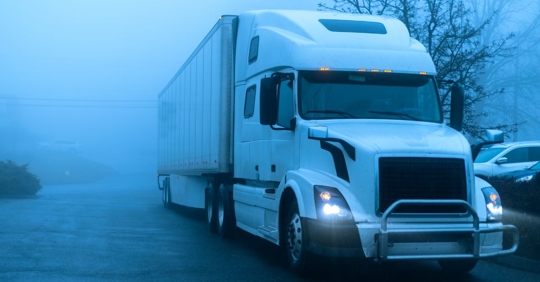
Trucking in the Southwest comes with its own set of unique hazards—fog rolling in from deserts, freezing ice at higher elevations, and early sunsets that rob visibility sooner than expected. Understanding these risks and how to mitigate them is essential for truck drivers and fleets alike. In this article, we explore how fog, ice, and diminished daylight contribute to accidents, and what drivers can do to stay safer on the road.
The Threat of Desert Fog
Even dry regions aren’t immune to fog. In the early morning hours, truck routes through valleys and near rivers often face thick ground fog. Visibility can drop to just a few feet in minutes. Drivers may misjudge distances, drift lanes, or react too late to obstacles. On open highways, fog combined with high speeds can turn what seems like a casual sunrise drive into a disaster. Keeping speed moderate and using fog lights (when legal and functional) can help reduce risk. Also, maintaining extra distance from the vehicle ahead gives more time to respond when visibility is suddenly cut.
Ice at Elevation: Hidden but Deadly
Though many parts of the Southwest are known for warm weather, ice is a serious hazard in mountain passes and higher elevations—especially in New Mexico, Colorado, Arizona, and western Texas. Overnight low temperatures can freeze rain, melted snow, or even residual moisture into black ice. This is often invisible to the naked eye and strikes when drivers least expect it—on shaded curves, in tunnels, or just after dawn. Trucks especially suffer because of their weight and braking delay. Preventive measures—checking weather reports regularly, using chains or tires rated for winter conditions, and slowing significantly in suspect areas—can make the difference between staying on the road and crashing.
Early Sunsets and Reduced Daylight
The sun sets much earlier in winter or during the shoulder seasons. Combined with long hauls, many drivers operate in dim light, sometimes without sufficient rest. Twilight creates challenging visual conditions: driver reaction time slows, glare from oncoming traffic increases, and fatigue sets in. When darkness falls, road hazards become harder to see—debris, animals, road signs, even changes in pavement. Headlights, reflective markings, and cleaning windows and mirrors are small but vital steps. Planning routes to avoid driving deep into the night when possible is another key strategy.
Putting It All Together: Safe Practices in Unforgiving Conditions
- Pre‐trip planning: Check the forecast not just for your starting point, but for elevation changes, mountain passes, and valleys you’ll pass through.
- Slow down: Speed appropriate to the worst visibility or traction expected—not just the posted limit.
- Use proper lighting and gear: Fog lights, winter tires or chains, clean glass and mirrors, and proper reflectors all help.
- Maintain distance: Give yourself extra stopping space, especially when road conditions are unpredictable.
- Stay alert and rest well: Fatigue amplifies all risks from fog, ice, and poor lighting.
When truckers underestimate environmental risks, the outcomes can be catastrophic for drivers, cargoes, and other road users. If you or someone you know has been injured in a trucking accident caused by these dangerous conditions—fog, ice, early darkness—having experienced legal help matters. Contact Simon Perdue Law for a consultation; we understand the hazards truckers face and are ready to help guide you through what comes next.